In October 2025, MIT Technology Review ran a piece titled "From Slop to Sotheby's?" that captured a moment the creative AI community had been building toward for years: the question of whether AI-generated art could be taken seriously. Not as a novelty, not as a parlor trick, not as a demo of a tool's capability, but as art with something meaningful to say.
The question is more urgent now. In spring 2026, Refik Anadol opened Dataland, the world's first Museum of AI Arts, in downtown Los Angeles. A generative short film, All Heart, became the first AI-assisted production to qualify for an Oscar in the Animated Short Film category. Sotheby's has auctioned multiple AI works. The institutions are arriving.
But so is the pushback. "AI slop" has become a genuine critical category, shorthand for the vast ocean of formula-driven, aesthetically interchangeable, conceptually empty content that floods every visual platform daily. The word is unkind but not inaccurate. If anyone can generate ten thousand images of neon-lit chrome robots at a prompt, what does it mean for a piece of generative AI work to be significant?
The answer, it turns out, isn't in the tool. It never was.
What Dataland Actually Is
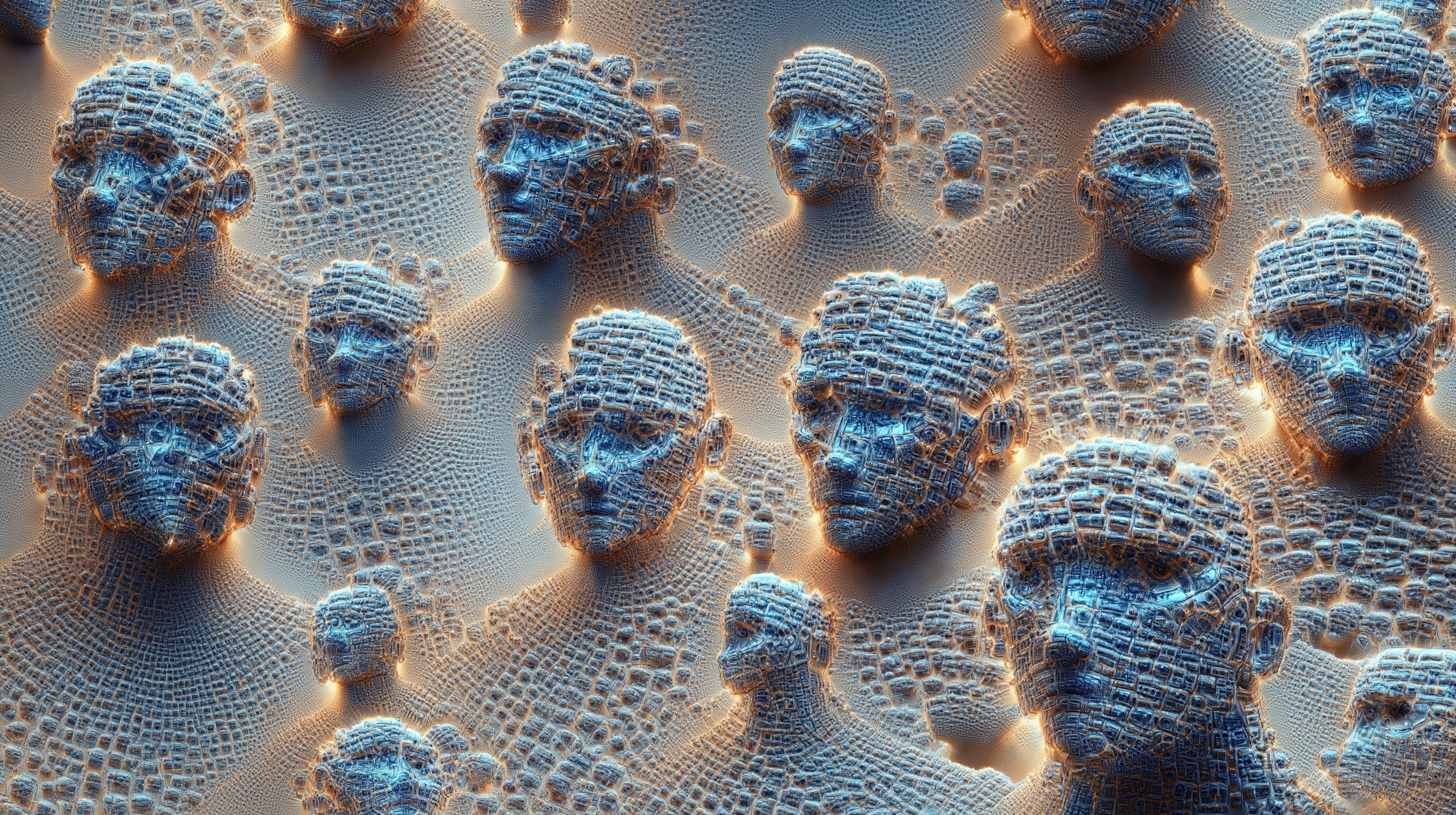
Refik Anadol's Dataland opened at The Grand LA, Frank Gehry's development in downtown Los Angeles, steps from The Broad and MOCA, in spring 2026. 2,320 square meters across five galleries. It is, by every measure, a serious institutional statement.
But what's remarkable about Dataland isn't the scale. It's the conceptual clarity of Anadol's practice. His Diffuse Control sculpture at LACMA invites visitors to interact with a generative system that transforms works from the permanent collection across twelve large video screens. His Large Nature Model, showcased in Dataland's Infinity Room, learns from ecological data, biodiversity records, satellite imagery, climate measurements, and renders nature as it might look to a machine that had only known it through numbers.
Anadol is not a prompt engineer. He's a data architect who uses AI the way a sculptor uses stone, as a material with specific properties, resistances, and expressive possibilities. The AI generates; Anadol decides what the AI is for. That distinction is everything.
"The artists gaining critical respect are those with rigorous conceptual frameworks, not those with the best prompts."
The Artists Worth Knowing
Sougwen Chung — Drawing with Machines
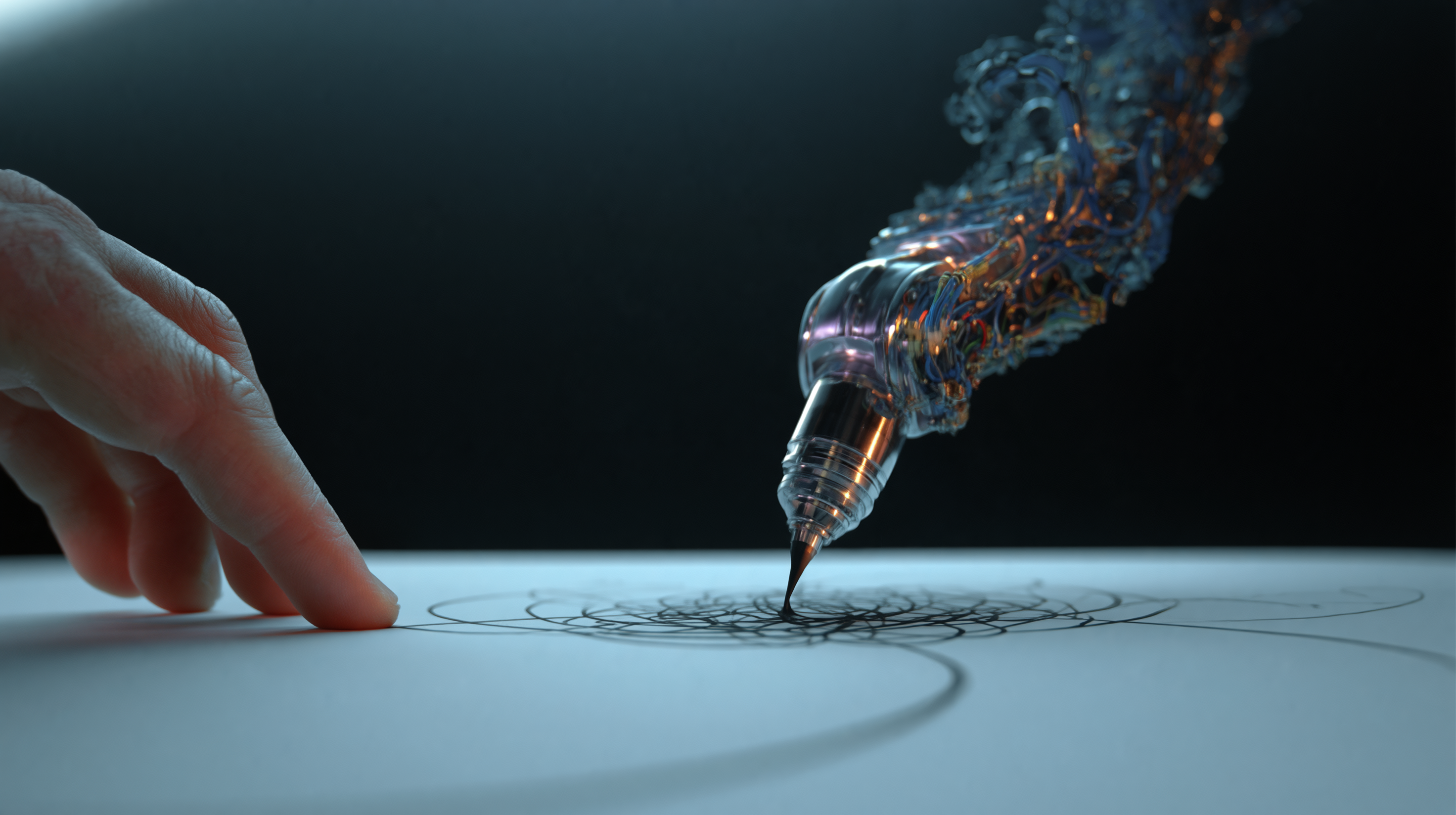
Sougwen Chung's practice centers on a question that sounds simple and isn't: what happens when a human hand and a robotic arm try to draw together? Her work merges traditional ink drawing with robotic performance systems, creating pieces that are neither fully human nor fully machine, and that are, precisely because of that ambiguity, more interesting than either would be alone. Chung doesn't use AI to generate images. She uses it to create a collaborator, training systems on her own mark-making so they can respond to her in real time.
Anna Ridler — Datasets as Creative Material
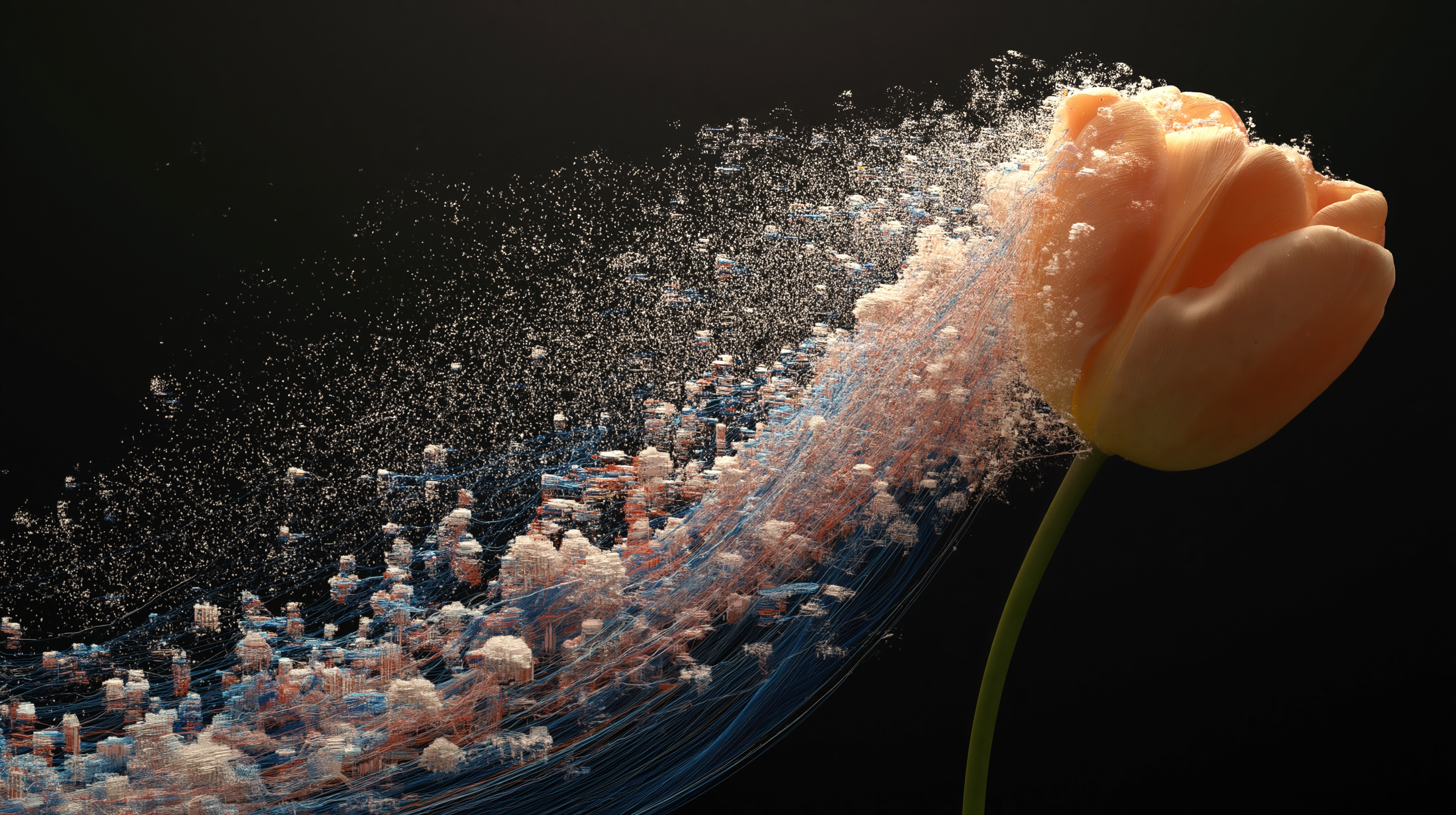
Anna Ridler's most famous work, Mosaic Virus, is a meditation on speculation, value, and control. Machine learning trained on her own hand-photographed dataset of ten thousand tulips generates a continuously shifting tulip that "blooms" and "wilts" in real time based on Bitcoin price data. The parallel to 17th-century Dutch tulip mania is explicit and precise. What makes Ridler's practice distinctive is her insistence on building her own datasets. She photographs, labels, and organizes her own training material, which means her AI has learned to see the world through her specific, intentional choices about what to include and what to leave out. The dataset is the artwork, long before any generation happens.
Kira Xonorika — The First Museum Acquisition
Kira Xonorika's short film Trickster is the first generative AI piece to enter the Denver Art Museum's permanent collection. Xonorika works at the intersection of mythology, identity, and machine vision, using AI not to generate fantastical imagery but to investigate how machines interpret and reconstruct cultural narratives. Trickster surfaces the ways in which AI systems distort and flatten non-Western visual traditions, and makes that distortion the subject of the work rather than a bug to be hidden.
Helena Sarin — Against the Generic Dataset
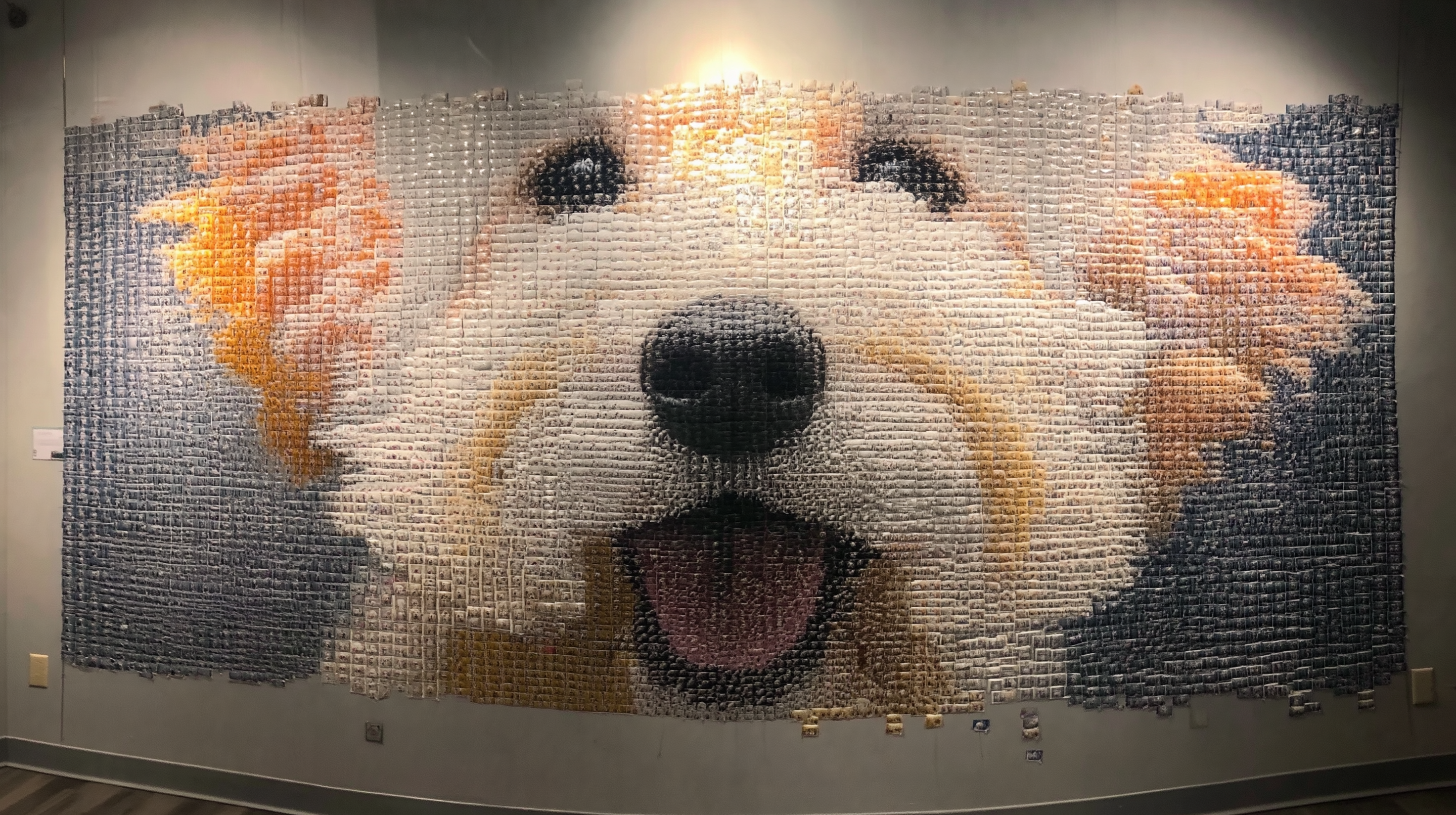
Helena Sarin's practice operates on a conviction that feels almost counter-cultural right now: she trains her generative systems exclusively on her own hand-drawn art and photographs, refusing to use any public dataset. The result is generative work with a specific, recognizable visual fingerprint, work that could not have been made by anyone else, using anyone else's data.
Stephanie Dinkins — AI as Social Mirror
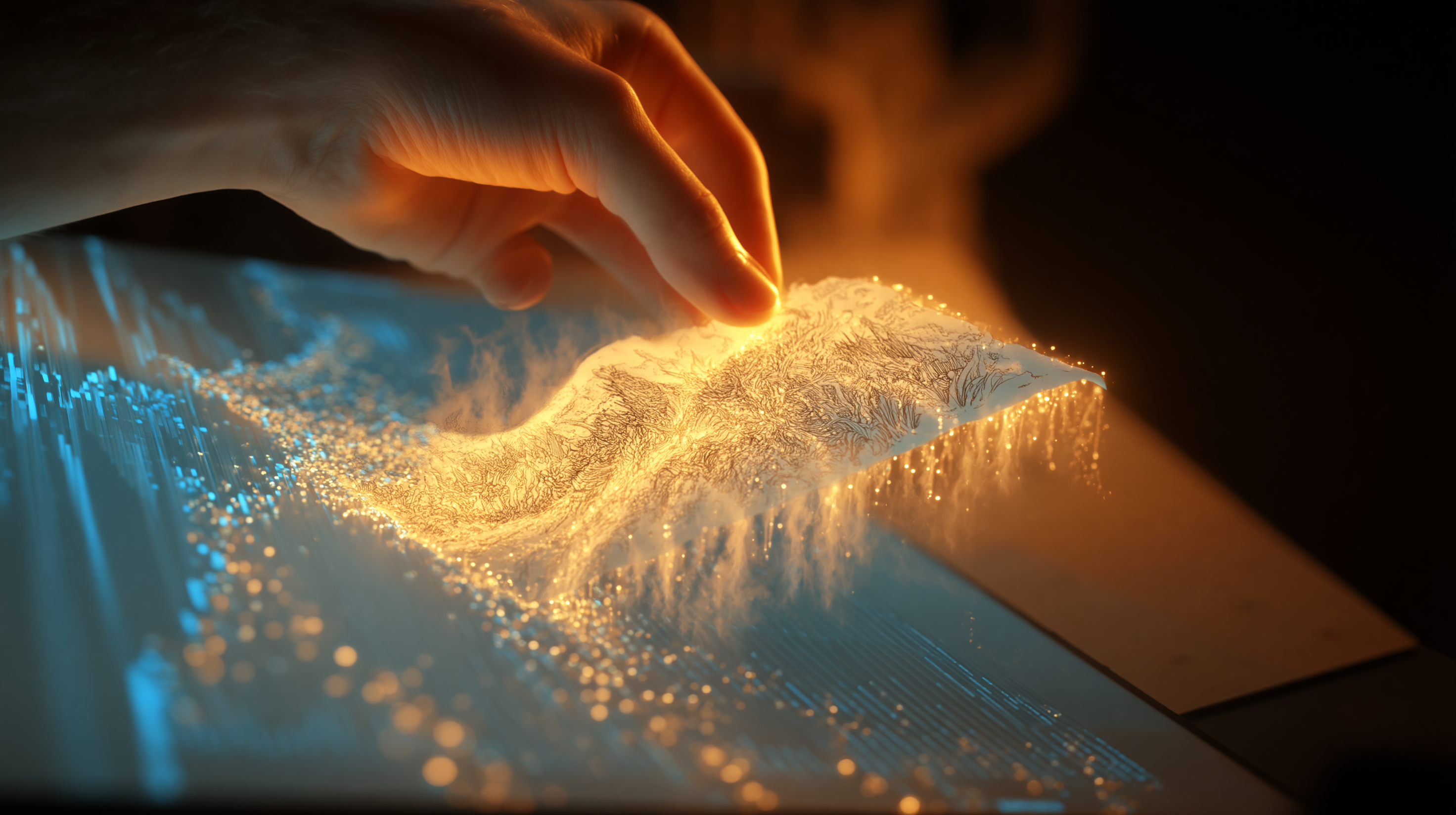
Stephanie Dinkins operates in a different register entirely. Her ongoing project Not the Only One is a multigenerational AI memoir trained on oral histories from three generations of Black American women in her family, an attempt to create an AI that carries specific, situated knowledge rather than averaged, anonymous data. Dinkins' practice is, at its core, a sustained inquiry into whose stories AI systems learn from, and whose they erase.
The Oscars Moment
The appearance of All Heart, a generative AI short film by Michael Govier and Will McCormack, in the Oscar qualifying short list is being held up as the cultural inflection point the industry has been debating. The film was produced with Asteria, an AI studio co-founded by actress Natasha Lyonne, using a closed model trained exclusively on the filmmakers' own artwork. Not public datasets. Not scraped internet imagery. Their own hand-made creative work, used to train a system that extended and transformed their own visual language.
This is the ethical template that the most thoughtful voices in the industry are pointing to. Not "AI replaces the artist," but "the artist's entire body of work becomes the training material for a system that amplifies their specific vision."
The Slop Problem, Precisely Stated
The issue isn't AI generation per se. It's AI generation without intention. A photograph taken without compositional thought, emotional investment, or conceptual purpose isn't photography; it's a snapshot. The same applies here. The tool is neutral. The question is always: what is it for?
What This Means If You're Building
For anyone working creatively with AI tools, the lesson from these artists isn't a technique. It's an orientation. The work that lasts will be the work that has a reason to exist beyond demonstrating what the model can do.
Sougwen Chung's work asks something about collaboration. Anna Ridler's work asks something about value and control. Kira Xonorika's work asks something about whose vision AI systems amplify and whose they suppress. Stephanie Dinkins asks whose history gets remembered at all.
The most exciting AI art in 2026 isn't the most technically spectacular. It's the work that uses these tools to say something that couldn't have been said without them, and that knows, precisely, what it's trying to say.
Also worth reading: The Licensing Reckoning — How the Music Industry Is Reshaping AI Audio.