
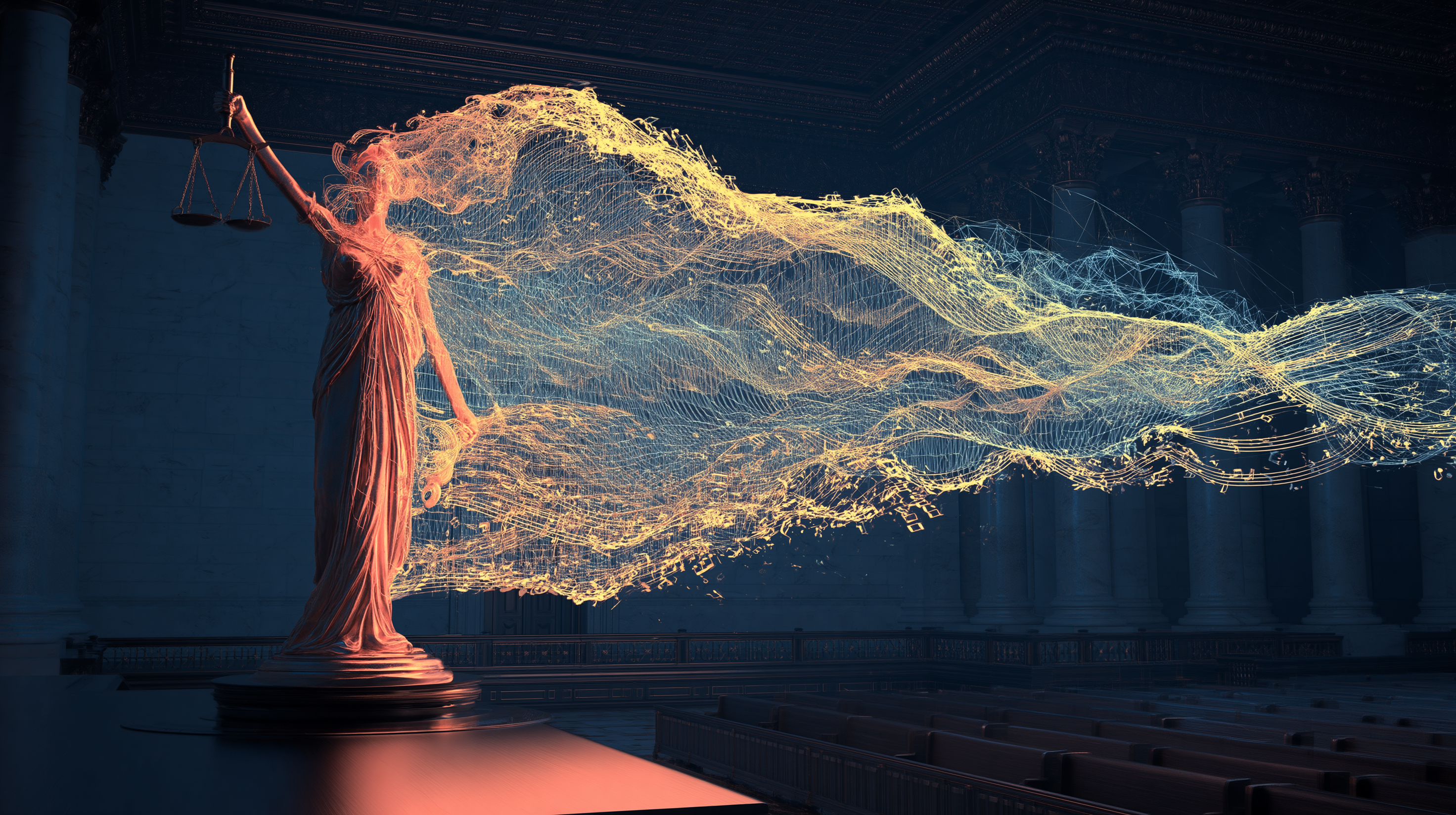
On March 24, 2026, OpenAI announced that Sora, its flagship AI video generation product, the thing that made jaws drop when it launched, the demo that changed how everyone thought about what AI could do, was being shut down. App closes April 26. API closes September 24. Done.
The creative AI community absorbed this news with a mixture of shock and dark recognition. Shock, because Sora was good, genuinely excellent, actually, at specific things that no other model matched. Recognition, because the economics of building cutting-edge generative AI at consumer scale while simultaneously fighting legal battles, managing compute costs, and pivoting toward enterprise had been visibly unsustainable for months.
Sora's shutdown is a symptom of a larger structural shift that's been building since 2024. The music industry got there first, and understanding how they got there tells you almost everything about where creative AI is going.
How the Music Industry Won

In 2024, the Recording Industry Association of America filed lawsuits against both Suno and Udio, the two leading AI music generation platforms, alleging that both had trained their models on copyrighted recordings without permission or compensation. The suits named specific songs. They cited specific examples of AI-generated output that demonstrated stylistic fingerprints of specific artists. The legal argument was sharp and the evidence was pointed.
By late 2025, both cases settled. The terms weren't fully disclosed, but the direction of travel was clear: both companies agreed to licensing frameworks with Warner Music Group and Universal Music Group respectively, and both began the process of developing new model versions trained on licensed material. The unlicensed models are being retired.

The message to the entire AI industry couldn't have been clearer: the "train now, license later" playbook is finished.
"ElevenLabs made a bet in 2025 that looked conservative: license everything first, build second, and that bet is now paying off in ways that would have been hard to predict."
Suno v5.5: What a Post-Settlement AI Music Model Looks Like

Suno's v5.5, which launched on March 27, 2026, is the most significant update in the company's history, and it's significant for reasons that go well beyond the impressive technical improvements to vocal clarity, arrangement sophistication, and genre accuracy (all of which are real and substantial).
The headline features are Voices and Custom Models. Voices allows you to record or upload your own singing and inject your vocal identity into generated tracks: your voice, your timbre, your phrasing, applied to any genre or arrangement. Custom Models takes this further: subscribers can upload their catalog and tune Suno v5.5 to their personal compositional style, creating a system that generates music that sounds like them.
These features represent a strategic pivot away from the liability zone that got Suno sued. Instead of training on other people's copyrighted recordings, the new framework puts the creative's own work at the center. Your voice. Your catalog. Your style. The model amplifies you, rather than interpolating between everyone else.
Udio's Walled Garden

Udio's settlement with UMG has had a more constrictive outcome. The 2026 model operates as what the company is calling a "walled garden": content generated within the platform cannot be exported or used outside it. For creators who had built workflows around Udio's output quality, this is a significant restriction. For Udio, it's the price of operating legally in a landscape where the alternative is more litigation.
Whether Udio can negotiate its way out of this constraint as its licensed model matures remains to be seen, but for now, the platform has effectively traded capability for legal safety.
ElevenLabs: The Company That Saw It Coming

In August 2025, ElevenLabs, already the dominant player in AI voice, launched its music model. The distinguishing feature wasn't the technical architecture or the output quality (both excellent). It was the training data: built from the ground up on fully licensed recordings, with no reliance on copyrighted material acquired without permission.
In April 2026, ElevenLabs launched ElevenMusic as a standalone iOS app. The free tier offers up to seven AI-generated songs per day, controlled through natural language prompts with fine-grained control over song length, lyrical content, and stylistic approach. More importantly, ElevenLabs can offer commercial licensing terms that Suno and Udio are still working out the details on. For professional composers, sound designers, and music supervisors, that licensing clarity is often more important than marginal quality differences.
The Andersen Trial: The Visual Arts Equivalent
The Andersen v. Stability AI trial is scheduled for September 8, 2026, the biggest remaining copyright case in generative AI, focused on visual art rather than music. The Suno and Udio settlements will be referenced extensively by both sides. Whatever the outcome, it will reshape how AI image models are trained and commercialized in the same way the music settlements are already reshaping AI audio.
What Sora's Shutdown Actually Tells Us
OpenAI's decision to close Sora isn't primarily a legal story, it's an economics and strategy story. But it's directly related to the same pressures. Sora was genuinely world-class at certain things: multi-shot instruction following, physics dynamics, cinematic style, audio generation co-synthesis. But the compute costs of running a frontier video model at consumer scale are crushing, the enterprise revenue to offset those costs wasn't materializing fast enough, and OpenAI has made a strategic decision to concentrate resources on its core products.
The shutdown matters for a second reason: it's a reminder that even flagship products in this space aren't permanent infrastructure. The AI video market hit $1.1 billion in 2025 and is projected to exceed $2.5 billion by 2027, but concentration is happening fast. Creators who had built professional workflows around Sora are now migrating to Runway Gen-4.5, Kling 3.0, and Veo 3.1.
The New Rules

If you're building with AI audio or video tools professionally in 2026, here's the practical state of play:
- ElevenLabs Music is the safest commercial option for AI-generated audio: licensed training data, clear commercial terms, excellent quality.
- Suno v5.5 is the most creatively powerful music generation tool, particularly if you're willing to train on your own voice and catalog. Verify licensing terms before commercial use.
- Udio is currently the most restricted in terms of commercial output use. Worth watching as their licensed model develops.
- For video: Runway Gen-4.5, Kling 3.0, and Veo 3.1 are the current frontrunners with Sora gone.
- The Andersen trial in September is the event that will most directly affect AI image generation licensing. Pay attention.

The broader point: the creative AI industry is growing up. The companies that built licensing frameworks into their foundations from the start are better positioned than those that didn't. And the artists who understand this landscape will have a significant practical advantage over those who don't.
The reckoning was always coming. It's here.
Also worth reading: The World Models Race: AI Is Learning to Dream in Physics.